|
|
|
|
|
|
|
|
John Scheepers Kitchen
Garden Seeds
Tips
for Harvesting and Storing Pumpkins and Winter Squash
Thank you for having signed up
for horticultural emails from Kitchen
Garden Seeds, Van Engelen and John Scheepers.*
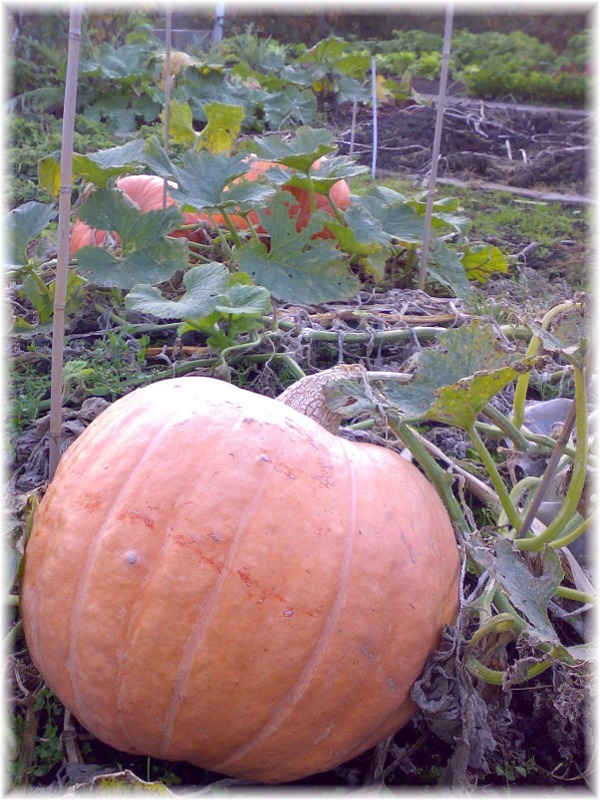
There’s nothing very difficult about growing Vegetables, but growing Pumpkins and Squash couldn’t possibly be easier. Plant a few seeds in spring once the soil has warmed up; stand back for about 90 days, and harvest. It’s treasure worth waiting for. Pumpkins and Winter Squash always feature large in our fall and winter menus. We eagerly await the opportunity to celebrate their sweet and nutty flavor in all sorts of delicious recipes, from pumpkin-filled ravioli and Thai pumpkin curry to Butternut Squash Shrimp Bisque and stuffed acorn squash. Hearty, heartwarming meals that nourish both body and soul.
When stored properly, Pie Pumpkins and Winter Squash will keep beautifully for many months, just as they are, without any need for freezing, canning or other processing. The key is to harvest them at just the right time, to cure them for about a week, and then to store them in a cool, dark place.
Harvesting Pumpkins and
Winter Squash
Ideally Pumpkins
and Winter
Squash should be harvested when they are completely mature and have
developed their full color and a hard rind. For Winter Squash, other signs of
maturity include dulling of the skin, a yellow spot where the fruit sat on the
ground, and a dry, corky stem. If there’s a danger of heavy frost, or if
mildew or other fungal diseases have attacked the foliage, harvesting a bit
early is better than leaving your prized fruit in the field where it could get damaged.
As long as Pumpkins
and Winter
Squash have started to turn color, they will continue to ripen off of
the vine.
Harvesting on a dry, sunny day is more pleasant for you and better for the fruit. Wear gloves to protect your hands from the prickly vines, and have a sharp knife or pruning shears at the ready. Pumpkins should always be cut from the vine to make sure that the handles stay attached to the fruit. If the handles break off, the fruit becomes more vulnerable to decay. Sometimes Squash separates easily from the vine and sometimes not, so be prepared to cut the fruit from the stems rather than tear it away. Though these hard and hefty fruit seem rather indestructible, they need to be handled with care to avoid bruising or skin nicks. Should the rind become damaged, decay organisms can invade the fruit and quickly begin breaking it down.
All Important Time to Cure
Pumpkins
and Winter Squash
should go from the garden directly into a dry, well-ventilated place where they
can cure for 7 to 10 days. Curing helps to harden the skin, heal wounds and it gives
any immature fruit time to ripen. During this curing period, ideal daytime
temperatures are 80 to 85 degrees F. Nighttime temperatures should not fall
below 50 degrees F.
Storing Pumpkins and
Winter Squash
Many factors determine how
well and how long you can store Pumpkins
and Winter Squash.
For the best results, start with fully mature, high quality, unblemished fruit
that has been properly cured. An ideal storage environment is cool, dry, and
well-ventilated, with a temperature that’s between 55 and 60 degrees F
and a relative humidity of about 50%. Colder temperatures and higher humidity
will speed decay. In relatively mild climates, an unheated garage or shed may
be the a good place to store your Winter Squash
and Pumpkins.
In colder climates, they usually store well in a cool basement, attic or
unheated bedroom.
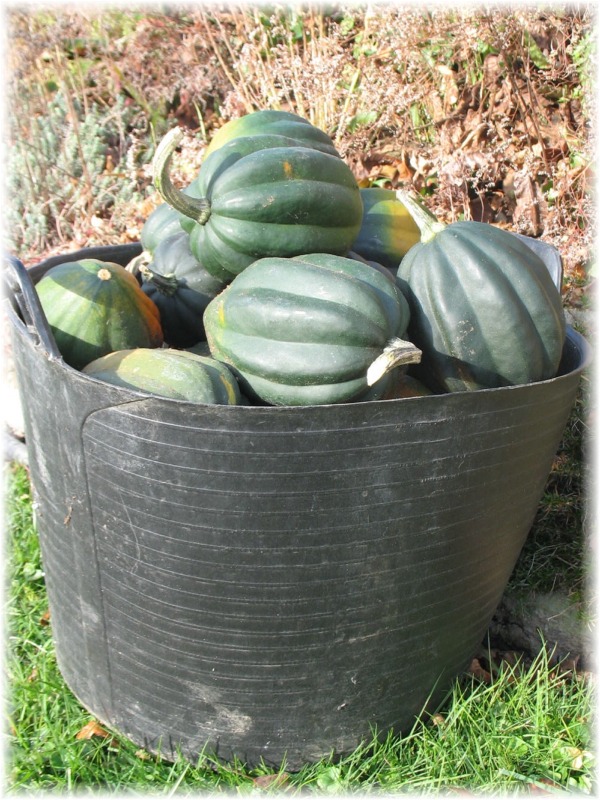
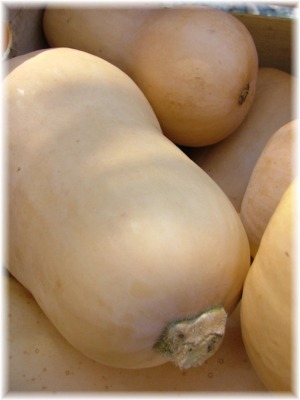
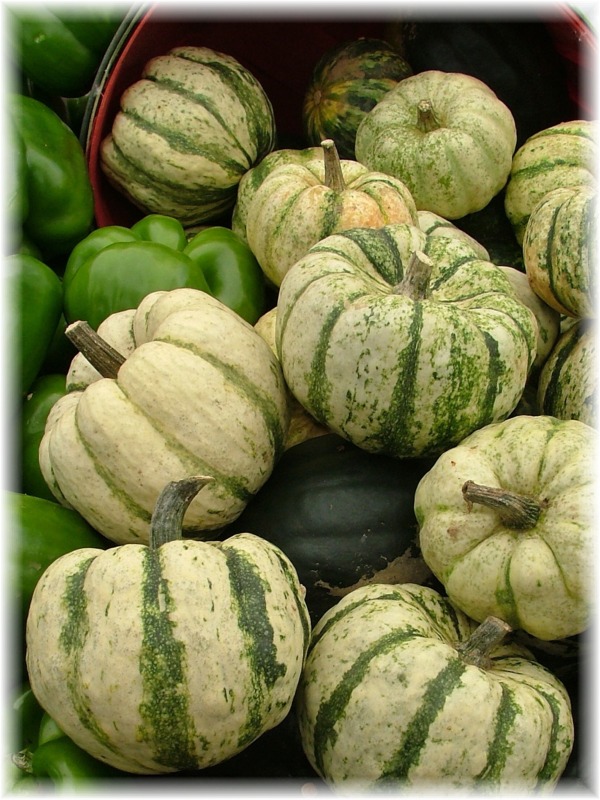
Storage life is also determined by genetics. Some varieties of Pumpkins and Winter Squash store much better than others. For long-lasting Winter Squash, we recommend several heirloom varieties from Australia, including Australian Butter Squash, Triamble Squash and Jarrahdale Squash (which is said to store for up to a year!) Butternut Squash, including Bugle Butternut Squash and Early Butternut Squash, typically stores perfectly for four to five months. Naguri Kabocha-Type Asian Squash and Bonbon Buttercup Squash, Table Ace Acorn Squash and Ebony Acorn Squash are next in line. Tivoli Spaghetti Squash and Zeppelin Delicata Squash have the shortest storage life and should be eaten up within six to eight weeks. Under the best of conditions, Pumpkins have a storage life of two or three months. Our favorite keepers are New England Pie Pumpkins, Fairytale Pumpkins and Long Island Cheese Pumpkins. (Even though Pumpkins are good keepers, whenever you get a free afternoon, it is nice to make your own Pumpkin Puree for the freezer. Once you have it, you can easily make a whole slew of wonderful Pumpkin risottos, soups, stews and desserts whenever the spirit moves you.)
We eat a lot of Winter Squash and Pumpkin in fall and early winter. Eating what’s in season is a trend that makes perfect sense to gardeners. When fruits and vegetables are in season, they’re not only abundant; they’re also at their peak of beauty and flavor. There are many reasons to eat foods when they are in season, but the best reason is that they better. After a chilly fall day of raking leaves, stacking wood and planting bulbs, few things taste better than a big bowl of Butternut Squash Shrimp Bisque followed by Pumpkin Crème Carmel! Happy fall!
We share our best-of-the-best recipes so you can feed your family and friends well without feeling frenzied, and practical, hands-on horticultural tips to demystify gardening with seeds (it need not be tricky or difficult. Truth be told, it is a bit more like easy magic.) If you need help with anything, our office hours are Monday through Friday from 9:00 a.m. to 5:00 p.m. You can email us at customerservice@kitchengardenseeds.com or call us at (860) 567-6086. Lance Frazon, our seed specialist, is happy to help you in any way possible. He loves to talk seeds.
This is also the perfect time to refreshen your spring garden with the beauty from bulbs. Please visit our sister company, John Scheepers, at www.johnscheepers.com or call us at 860.567.0838. We would be happy to help you select from among 750 varieties of Holland's best tulips, narcissi, muscari, allium, lilies and hard-to-find flower bulbs.
-To see our seed collection click: Flowers, gourmet fruits & vegetables and aromatic herbs.
-To request a 2013 Kitchen Garden Seeds catalog, click: Request catalog.
-To look at our yummy recipes, like Fairytale Panna Cotta with Calvados Sauce, click: Recipes.
-Or, call us at (860) 567-6086: we will help you in any way we can!
*We never rent or borrow email addresses from anywhere. In the course of requesting one of our bulb or seed catalogs, you provided us with your email address. If you prefer to not receive any emails from us, please know that we honor all unsubscribe requests.
John Scheepers Kitchen Garden Seeds
23 Tulip Drive * PO Box
638 * Bantam, CT 06750
Phone: (860) 567-6086 * Fax: (860) 567-5323
To unsubscribe/change profile: click
here
To see on-line version of this email: click
here
To subscribe: click here
© 2001-2013 John Scheepers Kitchen Garden Seeds. All rights reserved.